
Transforming Rural Communities Through Sustainable Borehole Systems
How long-term water infrastructure is improving health, agriculture, and economic resilience in underserved communities.
Written by


Introduction
Access to clean, reliable water remains one of the most fundamental challenges facing rural communities across East Africa. For generations, millions of people have spent hours each day collecting water from distant, often contaminated sources, impacting health, education, and economic productivity.
In recent years, strategic investments in sustainable borehole systems have begun to transform this reality. Through careful planning, community engagement, and innovative technology integration, water projects are delivering measurable improvements that extend far beyond simple access to drinking water.
This article examines the comprehensive approach to borehole implementation that addresses not just immediate water needs, but creates lasting infrastructure for community development and resilience.
The Water Crisis in Context
The water crisis in rural East Africa is multifaceted, extending beyond simple scarcity. Communities face challenges including unreliable seasonal water sources, contamination from agricultural runoff and inadequate sanitation, long distances to water points that disproportionately burden women and children, and limited infrastructure for water storage and distribution.
These challenges create cascading effects throughout communities. Children miss school to help collect water. Women have limited time for income-generating activities. Agricultural productivity suffers during dry seasons. Health facilities struggle to maintain sanitary conditions. The economic cost of water insecurity is measured not just in direct expenses, but in lost opportunities and diminished quality of life.
Understanding these interconnected challenges is essential for designing effective interventions. Water infrastructure projects must address immediate needs while building capacity for long-term sustainability and community ownership.


Comprehensive Borehole Implementation

Successful borehole projects begin long before drilling equipment arrives. Our implementation framework encompasses five critical phases, each designed to ensure technical effectiveness and community ownership.
Key Implementation Phases:
- •Hydrogeological Assessment: Detailed surveys to identify optimal drilling locations, determine aquifer depth and capacity, and assess water quality parameters
- •Community Engagement: Participatory planning sessions, formation of water management committees, and training programs for local maintenance teams
- •Infrastructure Development: Borehole drilling and testing, solar pump installation, water storage tanks, and distribution point construction
- •Quality Assurance: Regular water quality testing, pump performance monitoring, and structural integrity assessments
- •Capacity Building: Technical training for maintenance teams, financial management workshops for water committees, and hygiene education programs
This comprehensive approach ensures that infrastructure investments deliver sustainable benefits. By combining technical excellence with community ownership, projects create systems that continue functioning long after initial implementation.
Future Expansion and Scaling
The effectiveness of water infrastructure is best understood through tangible outcomes. Our ongoing monitoring and evaluation framework tracks key indicators across health, education, and economic dimensions.
Beyond these quantitative measures, qualitative impacts are equally significant. Health facilities report reduced waterborne disease cases. Schools note improved attendance, particularly among girls who previously spent morning hours collecting water. Women’s groups describe new economic opportunities enabled by time savings. Agricultural cooperatives document increased productivity through reliable irrigation access.
These interconnected benefits demonstrate that water infrastructure serves as a foundation for broader community development. Each borehole represents not just a water source, but a catalyst for improved quality of life across multiple dimensions.
Long-Term Sustainability Strategy
Infrastructure sustainability requires more than durable equipment. Our approach integrates technical, financial, and social dimensions to ensure systems continue functioning for decades.
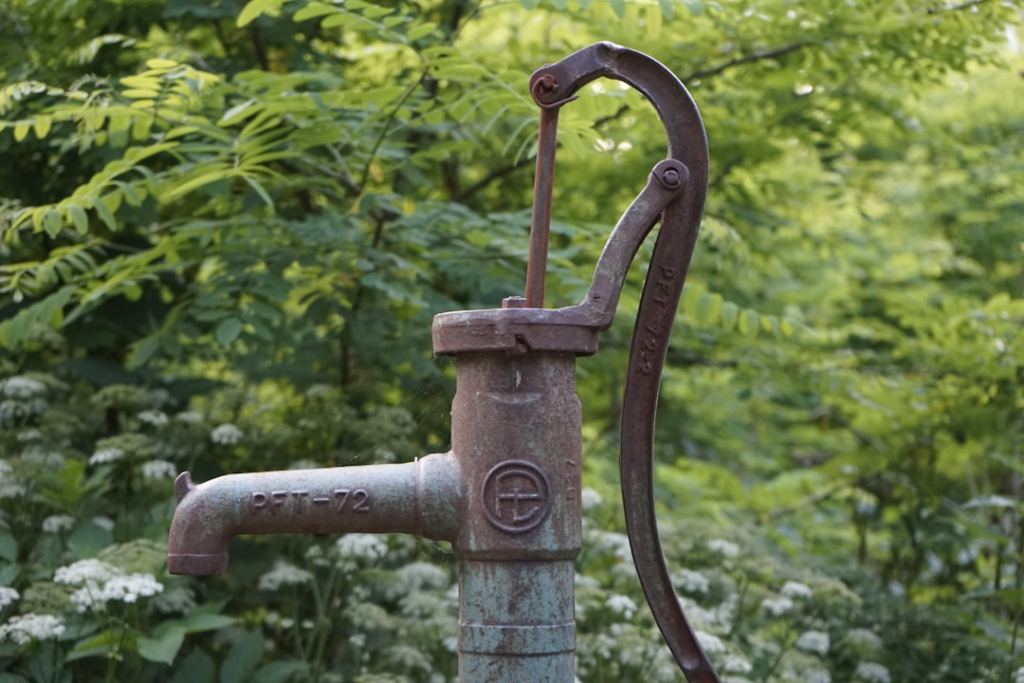
Technical sustainability begins with appropriate technology selection. Solar-powered pumping systems eliminate fuel costs while reducing environmental impact. Standardized equipment facilitates easier maintenance and parts availability. Robust construction methods ensure infrastructure withstands intensive use and environmental conditions.
Financial sustainability requires community ownership of operations and maintenance. Water management committees establish fair fee structures that cover ongoing costs without creating barriers to access. Reserve funds accumulate for major repairs and eventual equipment replacement. Transparent financial management builds trust and ensures accountability.
Social sustainability emerges from genuine community participation throughout the project lifecycle. When communities help select sites, contribute labor during construction, and manage operations independently, they develop both capacity and commitment. This ownership transforms water infrastructure from an external intervention into a community asset worth protecting and maintaining.
Future Expansion and Scaling
The success of current projects provides a foundation for expanding access to additional communities. Our strategic plan for the next three years targets 30 new boreholes across five regions, potentially serving an additional 25,000 people.
Scaling efforts will incorporate lessons learned from existing projects. Enhanced hydrogeological mapping will improve site selection. Stronger partnerships with local governments will facilitate coordination and resource sharing. Regional maintenance hubs will provide technical support to multiple communities, improving efficiency while building local capacity.
Climate resilience considerations will increasingly shape project design. As rainfall patterns become less predictable, deep borehole systems offer more reliable water sources than surface infrastructure. Integrated rainwater harvesting and groundwater recharge systems will help maintain aquifer levels. Monitoring systems will track long-term sustainability indicators, enabling adaptive management approaches.
Leave a Reply