
Sustainable Water Infrastructure and Rural Development
Strengthening rural communities through long-term water system investments and resilient infrastructure planning.
Written by

Introduction
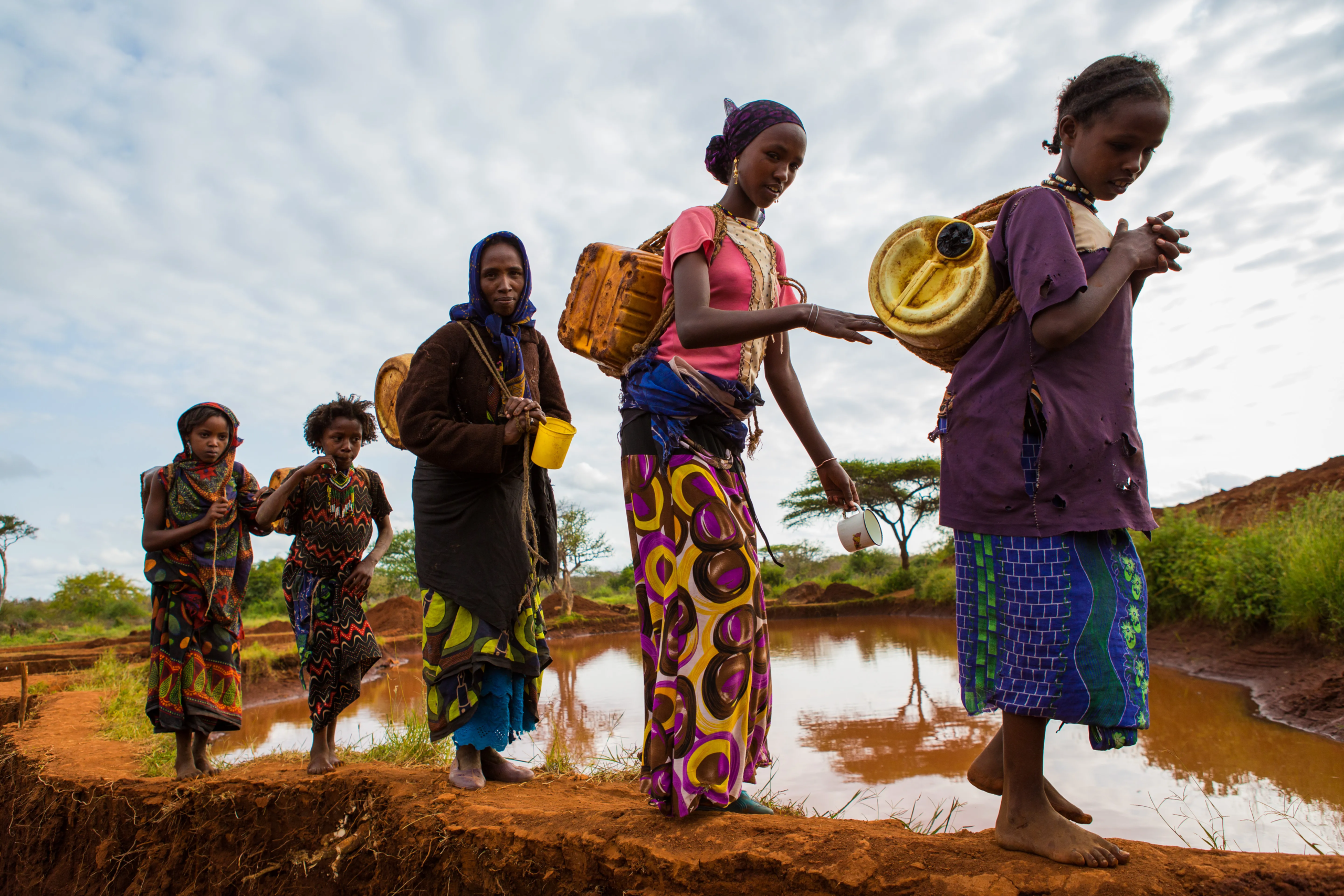
Access to clean water remains one of the most critical challenges facing rural communities across developing regions. While urban centers have seen significant infrastructure investments, rural areas continue to struggle with inadequate water systems, leading to health crises, economic stagnation, and limited agricultural productivity.
Sustainable water infrastructure development represents more than just the installation of pumps and pipes—it embodies a comprehensive approach to community empowerment, environmental stewardship, and long-term resilience. Our work demonstrates that when infrastructure projects are designed with sustainability principles and community integration at their core, they create lasting positive impacts that extend far beyond water access alone.
Infrastructure Development Challenges
Implementing water infrastructure in rural settings presents unique challenges that require innovative solutions and adaptive planning strategies. Geographic isolation, limited financial resources, and technical capacity constraints create a complex environment for development initiatives.
Terrain variability affects both installation costs and ongoing maintenance requirements. Remote locations often lack existing road networks, making equipment transport difficult and expensive. Additionally, the dispersed nature of rural populations means infrastructure must serve wide geographic areas with limited economies of scale.
“Infrastructure sustainability depends not only on installation, but on long-term maintenance and local ownership.”
Funding constraints compound these challenges, as rural infrastructure projects often struggle to secure adequate initial investment and ongoing operational budgets. Traditional donor-driven models frequently result in systems that function well initially but fail within years due to lack of maintenance funds and technical expertise.
System Design and Implementation
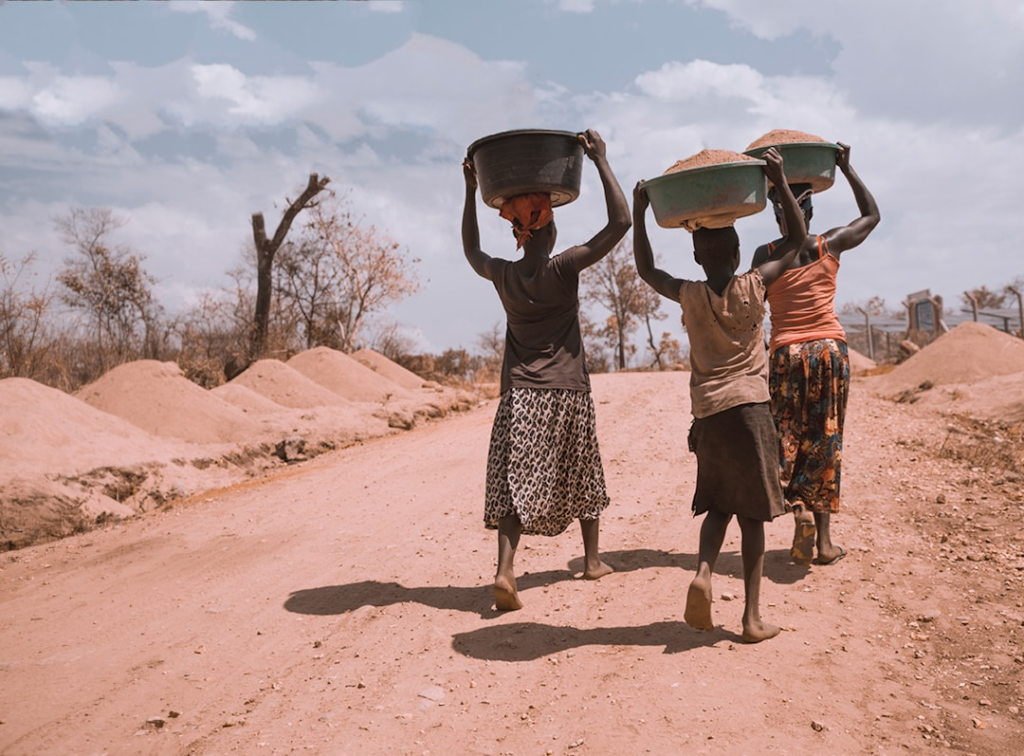
Our engineering approach prioritizes renewable energy integration, modular design principles, and technology appropriate to local contexts. Solar-powered borehole systems have proven particularly effective, combining reliable energy generation with minimal operational costs and environmental impact.
Each system is designed with redundancy and fail-safe mechanisms to ensure continuous water access even when individual components require maintenance. Water quality monitoring capabilities are integrated from the outset, providing communities with real-time data about their water resources.
Key Infrastructure Components
- Solar-powered borehole systemsRenewable energy solutions eliminating fuel dependency
- Water storage and distribution tanksStrategic placement ensuring consistent supply
- Gravity-fed pipeline systemsEnergy-efficient distribution leveraging natural topography
- Energy-efficient pumping solutionsOptimized for local water table conditions
- Community-based maintenance planningLocal capacity building for system sustainability
Community Integration
Technical excellence alone cannot ensure infrastructure sustainability. Successful projects integrate community participation throughout the planning, implementation, and maintenance phases, creating genuine local ownership and accountability.
We establish water committees during the project design phase, ensuring community representatives have meaningful input into system specifications and placement decisions. This participatory approach builds understanding of the infrastructure and investment in its long-term success.
Local Participation in Planning
Community members involved from project inception through design decisions
Training and Technical Handover
Comprehensive skill transfer enabling local management and repair
Maintenance Committees
Structured governance ensuring accountability and resource management
Impact and Outcomes
Comprehensive monitoring and evaluation data collected across our project sites demonstrates significant improvements in water access, system reliability, and community well-being indicators. These outcomes validate the effectiveness of integrated, sustainability-focused infrastructure approaches.
Beyond quantitative metrics, qualitative assessments reveal profound social impacts. Women and girls, who traditionally bear primary responsibility for water collection, report dramatically reduced time burdens, enabling increased school attendance and economic participation. Health indicators show significant improvements, with waterborne disease incidence dropping substantially in communities with reliable access to clean water.
Conclusion
Sustainable water infrastructure development represents a critical pathway toward rural resilience and prosperity. Our experience demonstrates that when projects integrate technical excellence with genuine community partnership, renewable energy integration, and long-term maintenance planning, they create lasting benefits that extend across multiple dimensions of community well-being.
As climate change intensifies water stress and rural populations continue growing, the imperative for resilient, community-owned infrastructure becomes ever more urgent. The approaches detailed in this article offer a proven framework for development organizations, governments, and communities seeking to build water systems that truly endure.
Leave a Reply