
Why Community-Led Water Projects Create Long-Term Impact
Empowering communities to participate in sustainable development solutions through ownership, local knowledge, and collaborative governance.
Written by


Introduction
For decades, development organizations have implemented water infrastructure projects across rural communities worldwide. While many of these projects successfully delivered wells, pumps, and distribution systems, a troubling pattern emerged: within a few years of installation, many of these facilities fell into disrepair, leaving communities once again without reliable access to clean water.
The difference between projects that thrive and those that fail often comes down to a single critical factor: community ownership. When local residents are engaged as active participants rather than passive recipients, water infrastructure becomes more than just a technical installation. It becomes a community asset that people understand, value, and are motivated to maintain for generations.
This article explores why community-led approaches create sustainable impact, examining the principles, processes, and proven benefits of putting communities at the center of water development initiatives.
Importance of Local Participation
Local participation is not simply about consulting communities before building infrastructure. True participation means involving residents in every phase of the project lifecycle: from initial needs assessment and site selection, through design and implementation, to long-term operation and maintenance.
Communities possess invaluable knowledge about local geography, seasonal water availability, cultural practices, and social dynamics that external experts cannot fully grasp without deep engagement. This local knowledge leads to better technical decisions, more appropriate solutions, and higher rates of sustained use.
Moreover, participation builds capacity. When community members learn maintenance skills, understand financial management for system upkeep, and develop governance structures, they gain transferable abilities that strengthen community resilience beyond the water sector alone.
Implementation Approach
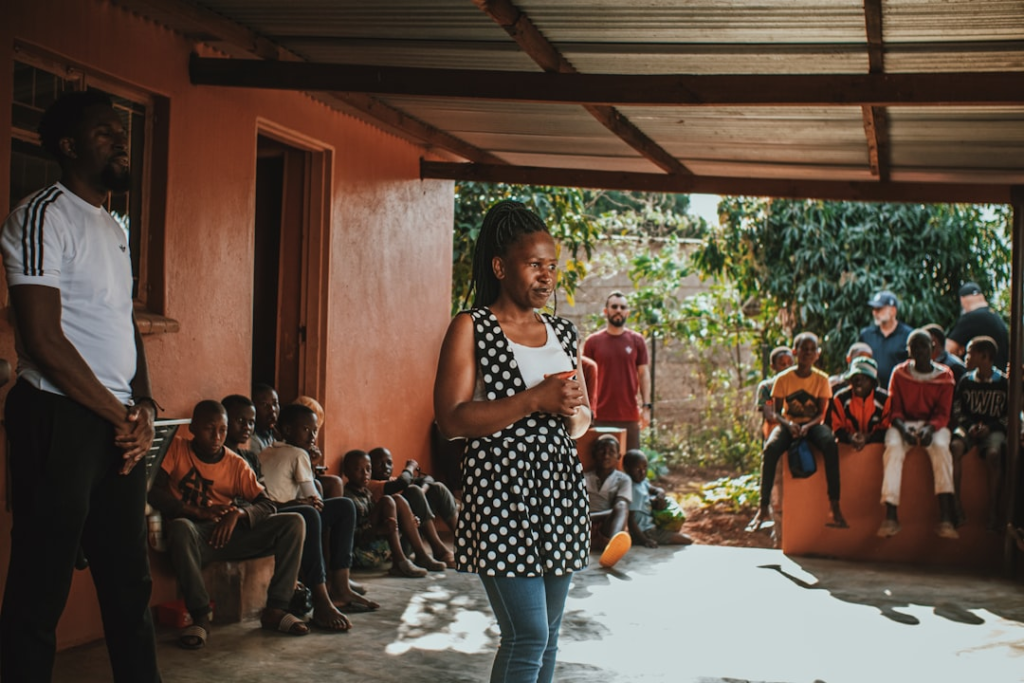
Successful community-led water projects follow a structured yet flexible approach that respects local context while maintaining technical rigor. The implementation methodology centers on several key activities:
- Community Consultations: Initial meetings establish trust, identify priority needs, and ensure all community segments—including women, youth, and marginalized groups—have voice in decision-making.
- Stakeholder Engagement Meetings: Regular gatherings bring together community members, local government, traditional leaders, and implementing partners to align on project goals and responsibilities.
- Local Leadership Involvement: Engaging respected community leaders ensures cultural appropriateness and helps mobilize broader participation.
- Formation of Water Committees: Elected committees take ownership of project oversight, financial management, conflict resolution, and liaison with external partners.
- Skills and Maintenance Training: Comprehensive training programs equip community members with technical skills for routine maintenance, minor repairs, and water quality monitoring.
- Transparent Decision-Making Processes: Open budgeting, public reporting, and inclusive governance mechanisms build accountability and community trust.
Throughout implementation, external organizations serve as facilitators and capacity builders rather than project owners. This role distinction is crucial: the goal is not to deliver a water system to a community, but to support a community in developing their own water system.
Sustainability Benefits
Improved Infrastructure Maintenance
Community members trained in maintenance perform regular upkeep, preventing small issues from becoming major failures. Local ownership means faster response times when problems arise.
Longer Project Lifespan
Systems maintained by invested communities function 3-5 times longer than those installed without local engagement, maximizing return on initial investment.
Stronger Community Ownership
When people participate in building something, they develop pride and commitment to its success. The water system becomes “ours” rather than “theirs.”
Better Resource Management
Communities with governance structures manage water resources more sustainably, balancing current needs with long-term availability and environmental protection.
The community-led approach generates multiple interconnected benefits that compound over time, creating resilient water systems that continue functioning long after external support ends.
Beyond these quantitative measures, qualitative impacts are equally significant. Health facilities report reduced waterborne disease cases. Schools note improved attendance, particularly among girls who previously spent morning hours collecting water. Women’s groups describe new economic opportunities enabled by time savings. Agricultural cooperatives document increased productivity through reliable irrigation access.
These interconnected benefits demonstrate that water infrastructure serves as a foundation for broader community development. Each borehole represents not just a water source, but a catalyst for improved quality of life across multiple dimensions.
Long-Term Sustainability Strategy
Beyond statistics and technical outcomes, community-led water projects transform individual lives and reshape community dynamics in profound ways.
“Before, we waited for outsiders to come and fix our water problems. Now we have the knowledge and the organization to solve them ourselves. Our committee manages everything—the finances, the maintenance schedule, even conflict resolution when there are disputes about water access.”
— Grace Mutua, Water Committee Treasurer, Makueni County
In many communities, the water committee has become a model of local governance that inspires similar structures for managing other community resources. Women who joined water committees often report increased confidence and leadership skills that they apply in other areas of community life.
“The training we received went beyond just fixing pumps. We learned about financial management, record-keeping, and how to facilitate meetings. These skills changed how I see myself and what I can contribute to my community.”
— James Omondi, Community Water Technician, Kisumu
Perhaps most significantly, children growing up in communities with reliable, community-managed water access develop different expectations about their own agency and the possibility of collective action to improve their lives. This shift in mindset represents the deepest form of sustainable development impact.
Conclusion
Community-led water development represents a fundamental shift from traditional charity models to genuine partnership and empowerment. The evidence is clear: when communities actively participate in designing, implementing, and managing water infrastructure, the results are more sustainable, more equitable, and more transformative than projects imposed from outside.
This approach requires patience, humility, and a willingness to cede control to communities themselves. It demands that development organizations see their role not as providers of solutions, but as facilitators of community-driven change. The timeline may be longer, and the process messier, than top-down approaches—but the outcomes justify the investment.
As the global community works toward universal water access, the path forward must center on community ownership, local capacity, and participatory governance. Only by putting communities in the driver’s seat can we create water systems that serve not just the current generation, but generations to come.
Leave a Reply