
The Role of Climate Resilience in Community Development
Supporting vulnerable communities through sustainable adaptation and resilience initiatives.
Written by
Introduction
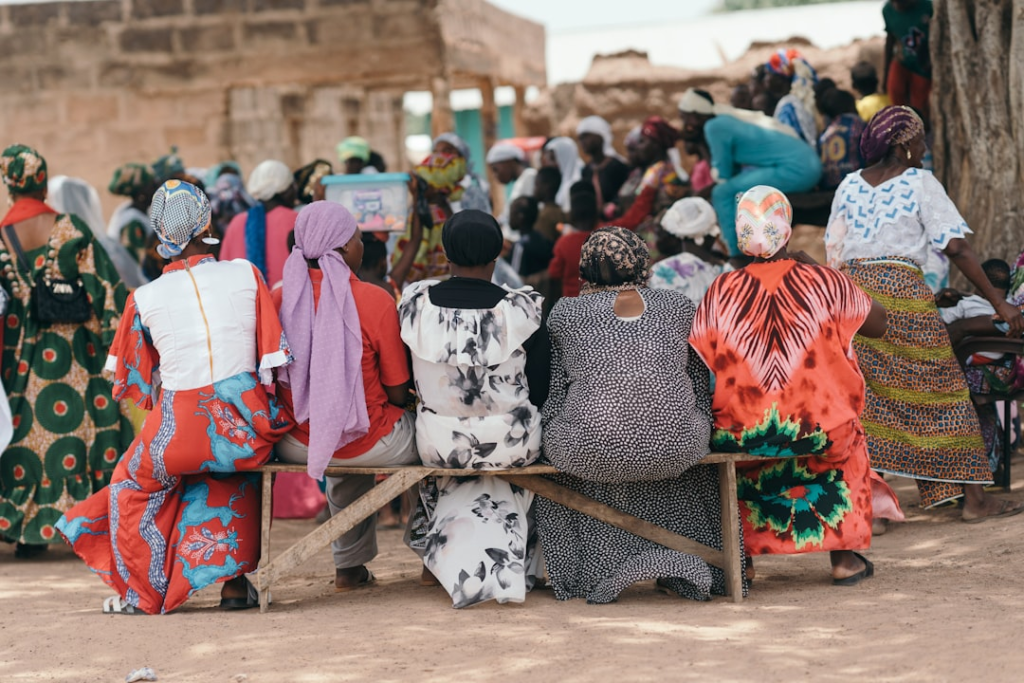
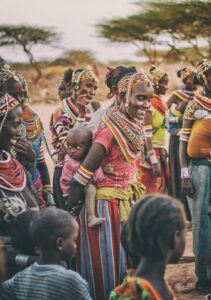
Climate variability continues to threaten the livelihoods and food security of vulnerable communities across East Africa. Increasingly erratic rainfall patterns, prolonged droughts, and environmental degradation pose significant challenges to agricultural productivity, water availability, and overall community resilience.
In recent years, strategic climate resilience programs have emerged as essential frameworks for supporting communities in adapting to these environmental challenges. Through participatory planning, sustainable land management, and climate-smart technologies, these initiatives are building long-term adaptive capacity while addressing immediate vulnerabilities.
This article examines a comprehensive approach to climate resilience that integrates environmental restoration, water resource management, and community-led adaptation strategies to create sustainable development pathways.
Understanding the challenge
The climate crisis manifests differently across diverse landscapes, but rural communities in semi-arid regions face particularly acute challenges. Rainfall variability has intensified, with longer dry spells interspersed with intense precipitation events that cause soil erosion rather than replenishing groundwater. Traditional farming calendars have become unreliable as seasonal patterns shift.
These environmental changes create cascading socioeconomic impacts. Crop failures lead to food insecurity and malnutrition. Degraded rangelands force pastoralists into conflict over diminishing resources. Youth migration to urban areas accelerates as rural livelihoods become less viable. Women and children bear disproportionate burdens as water and fuel collection distances increase.
Understanding these interconnected vulnerabilities is essential for designing effective resilience strategies. Climate interventions must address immediate adaptation needs while building long-term capacity for environmental sustainability and community-led development.
Strategic Response
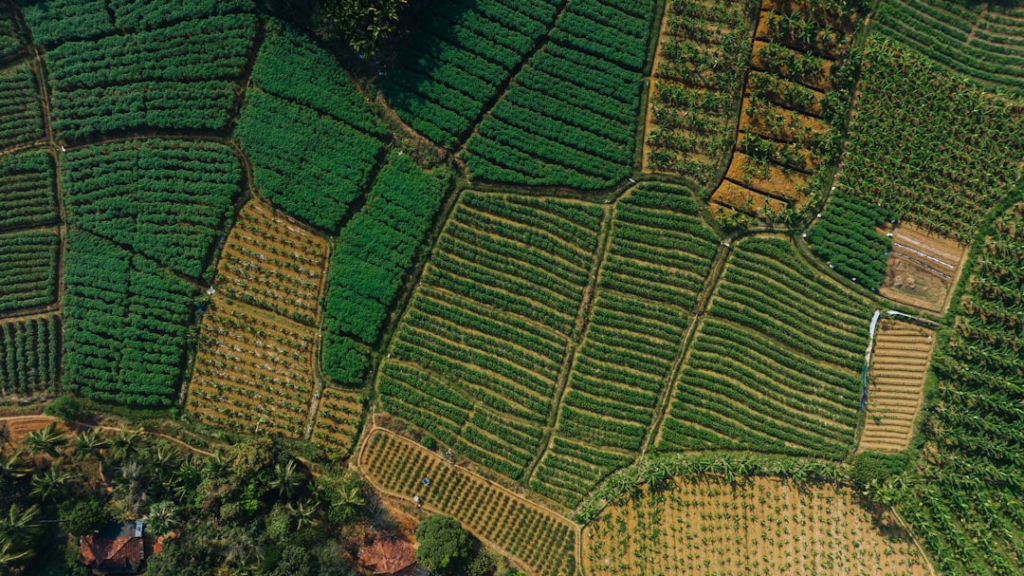
Our climate resilience framework integrates multiple adaptation strategies, recognizing that no single intervention addresses the complexity of climate vulnerability. The approach combines environmental restoration, water resource management, sustainable agriculture, and renewable energy to build comprehensive adaptive capacity.
Key Intervention Areas:
- •Climate-smart water infrastructure: Rainwater harvesting systems, sustainable groundwater management, and watershed protection initiatives
- •Rainwater harvesting systems: Rooftop collection, surface runoff capture, and farm ponds for supplementary irrigation during dry periods
- •Sustainable land management practices: Soil conservation techniques, agroforestry systems, and restoration of degraded rangeland
- •Community environmental awareness programs: Climate information services, traditional knowledge integration, and participatory vulnerability assessments
- •Renewable energy integration: Solar water pumping, household energy systems, and clean cooking technologies
- •Drought mitigation strategies: Drought-resistant crop varieties, diversified livelihood options, and early warning systems
This integrated approach recognizes that climate resilience emerges from multiple reinforcing interventions rather than isolated projects. By addressing water, agriculture, energy, and environmental dimensions simultaneously, communities develop robust adaptive capacity.
Community Engagement
Sustainable climate resilience emerges from community-led processes rather than external prescriptions. Our participatory approach ensures that local knowledge, priorities, and capacities shape intervention design and implementation.
This participatory process creates ownership and builds capacity simultaneously. Communities don’t simply receive interventions; they co-design solutions, acquire technical skills, and develop organizational structures for ongoing management.
Gender-responsive approaches ensure women’s meaningful participation in decision-making processes. Youth engagement creates pathways for generational knowledge transfer and innovation adoption. Integration with traditional governance structures ensures cultural appropriateness and social legitimacy.
Long Term Impact
Climate resilience interventions generate benefits across multiple dimensions, from immediate livelihood improvements to transformational adaptive capacity building.
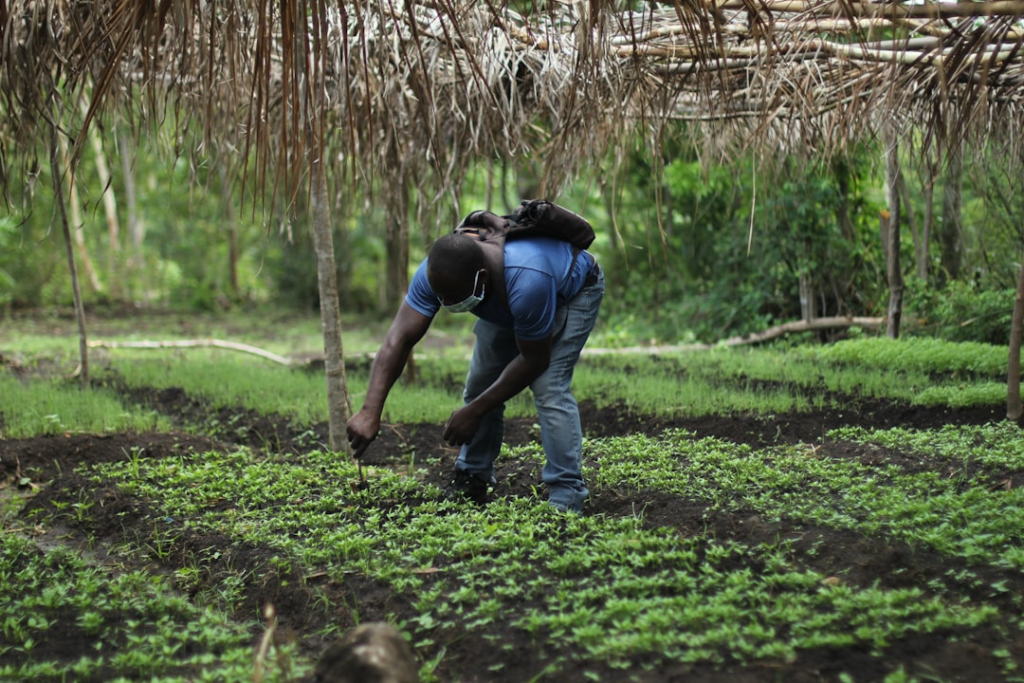
Quantitative indicators tell only part of the story. Qualitative impacts include strengthened social cohesion through collective action, enhanced self-efficacy as communities successfully manage complex systems, and improved environmental stewardship as restoration efforts yield visible results.
These multidimensional benefits demonstrate that climate resilience is fundamentally about development. By addressing environmental vulnerabilities, projects create enabling conditions for health, education, economic opportunity, and social well-being.
Conclusion
Climate resilience is not a static endpoint but an ongoing process of adaptation and capacity building. The integrated approach described in this article demonstrates that effective climate interventions address immediate vulnerabilities while fostering long-term sustainability and adaptive capacity.
Success requires moving beyond single-sector interventions toward comprehensive strategies that recognize the interconnections between water, agriculture, energy, and environmental management. Community ownership and participatory processes ensure that resilience emerges from local agency rather than external dependency.
As climate variability intensifies, the need for community-led resilience will only grow. The frameworks and practices developed through current initiatives provide replicable models for scaling climate adaptation while maintaining local relevance and sustainability. Investment in climate resilience is ultimately investment in dignified, sustainable development for the world’s most vulnerable communities.
Leave a Reply