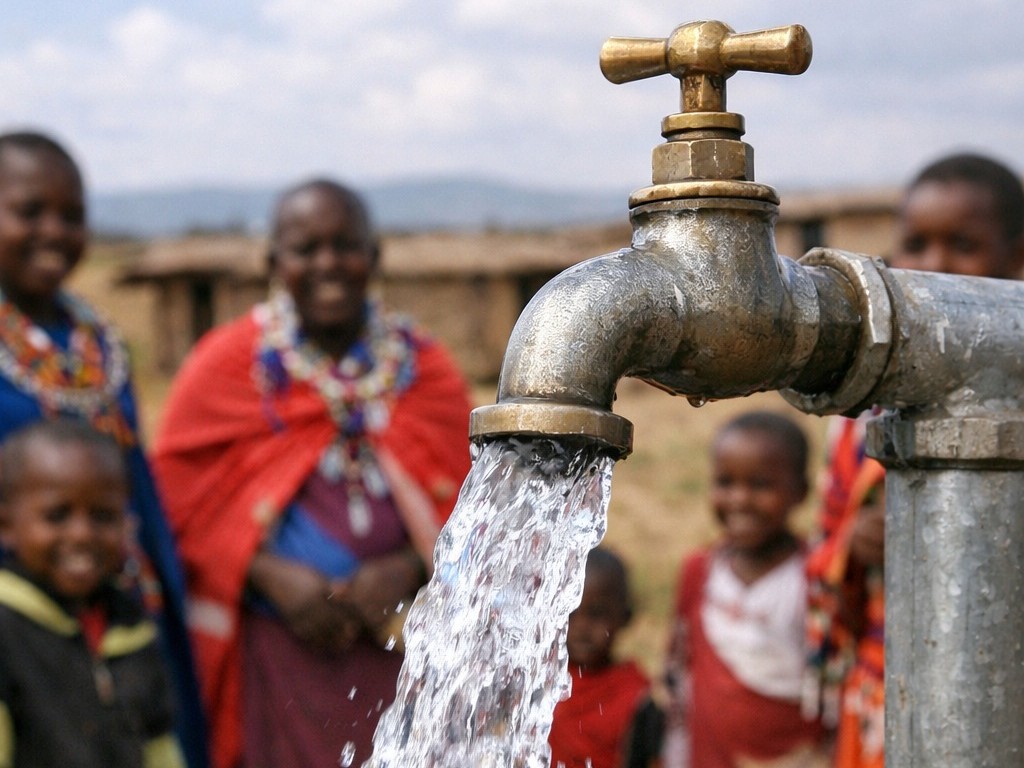
Clean water is often described as a basic human right, but in Siana Ward and across much of rural Narok County, it remains anything but guaranteed. The health consequences of this gap are significant, and they fall hardest on those least equipped to bear them: young children, the elderly, and pregnant women.
Without access to a safe, protected water source, families in this region are frequently forced to rely on surface water like rivers, seasonal streams, or shared open sources that carry a high risk of contamination. This untreated water can harbor bacteria, parasites, and pathogens responsible for some of the most common and preventable illnesses in the region: typhoid, cholera, dysentery, and chronic diarrheal disease. For children under five, repeated bouts of waterborne illness can contribute to malnutrition and stunted growth, compounding health challenges that follow them for life. Local health facilities, already stretched thin, absorb the recurring burden of treating illnesses that a safe water source could largely prevent in the first place.
The Solution
The InsytH2o project’s proposed deep, solar-powered borehole is designed to directly address this health burden at its root by providing a safe, tested water source close to home. Removing the need to rely on contaminated surface water is one of the most effective, well documented interventions for reducing waterborne disease in communities like this one.
The anticipated impact extends beyond individual health: fewer sick days mean children can attend school consistently, caregivers spend less time and money managing preventable illness, and local health resources can be redirected toward other pressing needs. This is preventative healthcare in its most direct form not through hospitals, but through infrastructure.
This vision depends on donor support to become reality. Every contribution toward this borehole is, in effect, a contribution toward fewer sick days, healthier children, and a stronger, more resilient community in Siana Ward.
Leave a Reply